Basement Ventilation & Air Quality in Salt Lake City
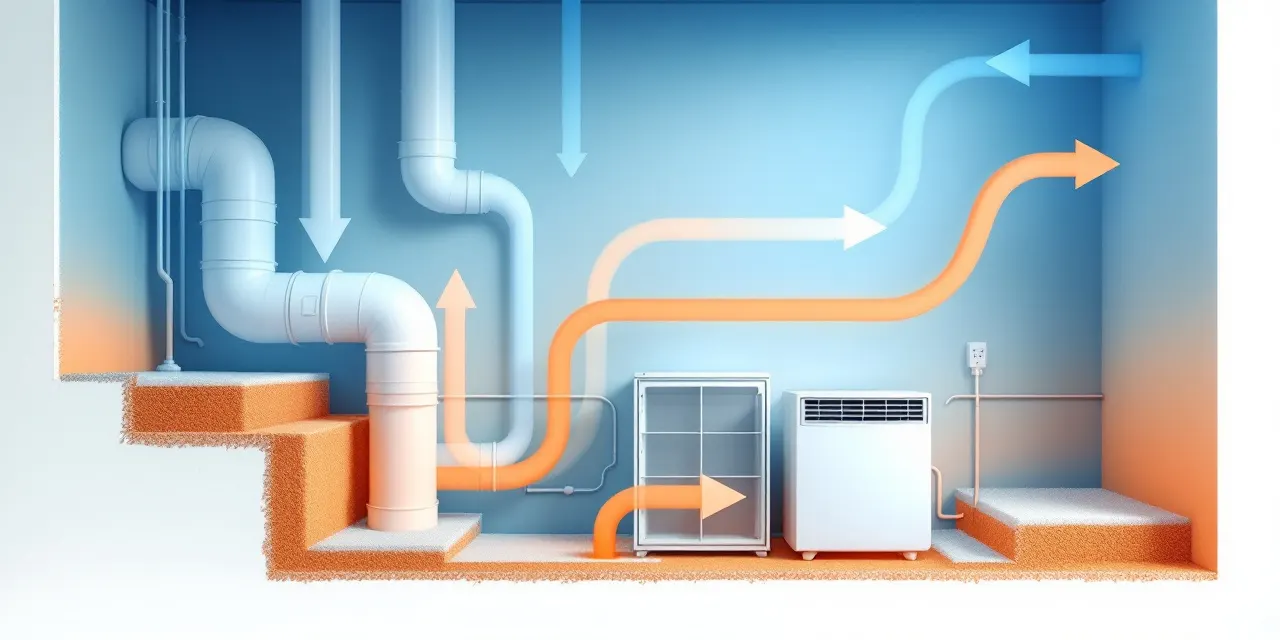
Salt Lake City basements have a particular challenge: the climate swings between dry summer heat and cold, damp winters, and that combination creates real air quality problems underground. Moisture seeps in, stale air sits, and without proper ventilation a finished basement can develop mold, musty odors, and elevated radon levels faster than most homeowners expect. At Salt Lake Basement Pros, we take that seriously. When you reach out, we send our licensed Salt Lake City partner crew to look at your actual space, not a generic blueprint. They assess airflow, humidity sources, and any signs of existing moisture damage before recommending a ventilation approach. You get a free, no-obligation quote built around what your basement actually needs.
Why Basement Air Quality Matters More in Salt Lake City
Salt Lake Valley sits in a natural bowl surrounded by mountains, which traps air pollution at ground level during winter inversions. That same geography affects what happens inside your home. When outdoor air pressure drops during an inversion, soil gases including radon can be drawn upward through foundation cracks and into the basement more readily than on a clear day.
Radon is the second leading cause of lung cancer in the United States, and Utah has pockets of elevated radon throughout the Wasatch Front. A well-planned ventilation system addresses radon pathways directly, not just as an afterthought. Our local crew understands which Salt Lake neighborhoods and soil types tend to show higher readings, and they factor that into their recommendations.
Beyond radon, trapped humidity feeds mold and mildew growth that can spread to the rest of the house through your HVAC system. Proper basement ventilation breaks that cycle by exchanging stale, humid air for fresh, conditioned air on a regular basis, keeping your finished space genuinely comfortable and healthy.
Ventilation Solutions Our Local Crew Installs
There is no one-size answer to basement ventilation. Our licensed Salt Lake City partner crew works with several proven systems and recommends the right fit after assessing your layout, existing HVAC, and moisture readings.
Exhaust fans and supply air registers are the most common starting point. When tied into a properly balanced HVAC system, they keep air moving and prevent the stagnant pockets where humidity concentrates. For basements with more serious moisture issues, an energy recovery ventilator (ERV) or heat recovery ventilator (HRV) is often the better choice. These units exchange indoor and outdoor air continuously while recapturing most of the energy from the air being exhausted, which matters in a Utah winter when you are paying to heat that air.
Sub-slab depressurization is the standard radon mitigation technique, and our crew is experienced with it. A pipe and fan system draws soil gases from beneath the slab and vents them outside before they can enter the living space. If your basement finishing project is happening alongside a radon test that shows elevated levels, this is the time to address it, before the finish work goes up around it.
Integrating Ventilation Into a Basement Finishing Project
The best time to sort out ventilation is before the drywall goes up. Once walls are framed and insulated, running ductwork and installing fan systems becomes more disruptive and more expensive. Our local crew coordinates ventilation work as part of the broader finishing scope, so nothing gets buried behind a finished ceiling that should have been accessible.
That coordination also means the finished basement looks intentional. Supply and return registers are placed to match the room layout, not just wherever a duct happened to land. Exhaust fans in any bathroom or utility area are properly sized and vented directly to the exterior, which is a detail that gets skipped on poorly supervised projects.
If you are finishing an existing basement that already has some ventilation in place, our crew evaluates whether it is adequate for the new use. A storage room has different air exchange needs than a home gym or a bedroom, and the ventilation spec should reflect that.
Humidity Control and Moisture Management
Ventilation and moisture control are two sides of the same coin in a Salt Lake City basement. The valley gets low annual precipitation, but snowmelt and irrigation season push ground moisture levels up significantly in spring and early summer. Basements without adequate waterproofing and air movement show it in late spring, often as a musty smell or visible condensation on walls.
Our local crew looks at the full picture: drainage slope, sump pump condition, wall assembly details, and air movement. In many cases a combination of mechanical ventilation and a properly sized dehumidifier handles residual humidity after the main moisture sources are controlled. The dehumidifier recommendation gets sized to the actual square footage and anticipated moisture load, not just a shelf-unit guess.
Controlling humidity below the threshold where mold grows, generally below 60 percent relative humidity, protects your investment in the finished space and keeps the air quality healthy for whoever uses it.
Getting a Free Quote on Basement Ventilation
Salt Lake Basement Pros keeps the process straightforward. You contact us, we schedule a visit from our licensed Salt Lake City partner crew, and they assess your basement in person. The free quote covers the ventilation and air quality scope specifically, or the full finishing project if that is what you are planning.
There is no obligation to move forward, and there is no pressure sales process. The quote is detailed enough to tell you exactly what work is proposed, what equipment will be installed, and what the finished result will accomplish. If you have questions after reviewing it, our crew is the people answering them, not a call center.
Ready to stop guessing about your basement air quality? Reach out today and we will get a visit scheduled at a time that works for you.
FAQ
How do I know if my Salt Lake City basement has a ventilation problem?
The most common signs are a persistent musty or earthy smell, visible condensation on walls or pipes, peeling paint on concrete or drywall, and stuffy air that feels noticeably different from the rest of the house. A radon test is a separate but related step, since elevated radon has no smell or visible sign. Our local crew can assess all of these during a single visit.
Does Utah require radon mitigation for finished basements?
Utah does not have a statewide code mandate requiring radon testing or mitigation in every home, but the EPA recommends mitigation when a long-term test result comes back at or above 4 pCi/L. Many Salt Lake area homes test above that threshold. If you are finishing a basement, it is worth testing before the work starts so mitigation can be built in cleanly.
What is the difference between an HRV and an ERV, and which one suits Salt Lake City?
Both units exchange indoor and outdoor air continuously while recovering most of the energy in the exhausted air. The difference is that an ERV also transfers moisture along with heat, while an HRV transfers heat only. In a dry climate like Salt Lake City, an ERV can be beneficial because it helps retain some indoor humidity during dry winters. Our local crew can advise which unit suits your specific basement conditions after assessing the space.
Can ventilation be added to an already-finished basement?
Yes, though it requires more planning than roughing it in during the original build. Our licensed Salt Lake City partner crew has experience working in finished spaces and can often route ductwork through existing soffits or utility chases to minimize disruption. The assessment visit is the right time to see what is feasible in your specific layout.
How long does basement ventilation work typically take to complete?
A standalone ventilation installation, such as adding an HRV or a sub-slab radon system, usually takes one to two days depending on complexity. If ventilation is part of a full basement finishing project, it is phased in during the rough-in stage before insulation and drywall. Our local crew will give you a realistic timeline as part of the free quote.