ADU Salt Lake City: Turn Your Basement Into Legal Living Space
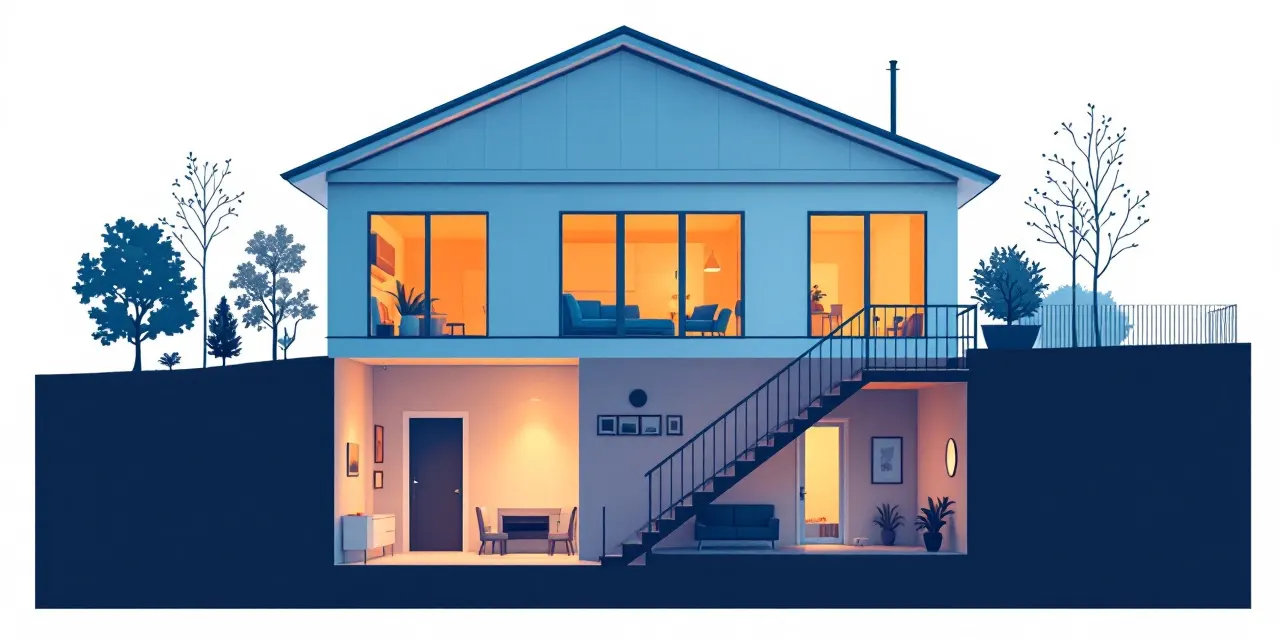
Salt Lake City's housing market keeps pushing families to think creatively about space, and a basement accessory dwelling unit (ADU) is one of the smartest moves a homeowner can make right now. Whether you want rental income, a private suite for aging parents, or a self-contained space for adult kids, finishing your basement as an internal ADU puts that square footage to real, lasting use. At Salt Lake Basement Pros, we handle this from the first conversation through the final inspection. Our licensed Salt Lake City partner crew knows local zoning rules, Utah building codes, and the specific permit pathways that apply to internal ADUs in Salt Lake City. You get one accountable local crew, a clear plan, and a free no-obligation quote to start.
What Is an Internal ADU and Why Salt Lake City Basements Are Perfect for Them
An accessory dwelling unit is a secondary housing unit on the same lot as a primary residence. An internal ADU (iADU) is one that sits inside the existing structure, which is exactly what a finished basement becomes when it includes a kitchen, bathroom, sleeping area, and its own entrance.
Salt Lake City updated its ADU ordinance to encourage more housing density, and basements are one of the most straightforward ways to qualify. The footprint is already there, the roof is already there, and in most cases the lot coverage rules that govern detached structures do not apply. That makes a basement iADU faster to permit and often less expensive to build than an addition or a garage conversion.
Our local crew has worked through Salt Lake City's permit process for basement finishing projects repeatedly. We know which inspections are required, what egress window dimensions the city enforces, and how to document a unit so it meets the definition of a legal dwelling rather than just a nice finished space.
What Our Licensed Salt Lake City Partner Crew Builds Into an iADU
A legal internal ADU in Salt Lake City is more than a coat of paint and some flooring. It requires a full kitchen with proper ventilation, a code-compliant bathroom, adequate ceiling height (Salt Lake City enforces minimums you have to plan around), at least one egress window in sleeping areas, a separate entrance, and mechanical systems that can function independently from the main unit.
Our licensed Salt Lake City partner crew scopes all of that into your project from day one. We frame and insulate walls to keep utility costs reasonable for whoever lives there. We run dedicated electrical circuits and handle plumbing rough-in so the unit has its own fixtures without overloading the main home's systems. HVAC is coordinated based on your existing equipment and your long-term plans.
We also handle the finish work: flooring, cabinetry, tile, lighting, and trim. The goal is a space that feels like a proper home, not a converted storage room, because that is what attracts quality tenants and holds property value over time.
Permits, Zoning, and the Salt Lake City ADU Process
Pulling the right permits is not optional, and it is not something to leave to chance. An unpermitted ADU in Salt Lake City can create real problems when you sell, refinance, or try to rent legally. Our local crew pulls all required building permits and works directly with the city's inspection schedule so nothing stalls your timeline unnecessarily.
Salt Lake City zoning allows ADUs in most single-family residential zones, but there are rules around owner occupancy, unit size relative to the primary dwelling, and parking. We walk you through those specifics during your free quote so you understand what your property qualifies for before any work starts.
If your basement needs an egress upgrade or a separate exterior entrance added, our crew handles that structural work as part of the project. We coordinate every trade under one roof so you are not managing separate plumbers, electricians, and framers on your own.
How the Process Works With Salt Lake Basement Pros
We keep things straightforward. You request a free no-obligation quote, and we send our licensed Salt Lake City partner crew to walk the basement in person. They measure the space, note any structural or moisture concerns, and ask what you need the unit to do. From that visit we put together a detailed scope and quote.
Once you approve the plan, we handle permitting and schedule the work around your timeline. Our crew stays on the job from demo through final inspection, so there is one point of contact and one crew accountable for the finished result.
When the project is done, you have a legal, inspected, rentable living space in Salt Lake City. Whether you use it immediately or hold it for a family member down the road, you have added real value to your property in a market where additional housing units are genuinely in demand.
FAQ
Does Salt Lake City allow ADUs in residential zones?
Yes. Salt Lake City's zoning code permits internal ADUs in most single-family residential zones. There are rules around owner occupancy, unit size, and parking that vary by situation, and our local crew walks you through what applies to your specific property during the free quote visit.
What is the difference between an ADU and an iADU in Salt Lake City?
An ADU is the general term for any accessory dwelling unit. An iADU (internal ADU) is specifically one built inside the existing structure of a home, such as a finished basement. Salt Lake City treats these slightly differently than detached ADUs, and a basement iADU often has a simpler permit path because it does not affect lot coverage the way a new structure would.
How long does a basement ADU project typically take?
Timeline depends on the condition of your existing basement, the scope of work, and how quickly permits move through the city's review process. Our local crew gives you a realistic timeline estimate during the quote visit based on your specific space, so you are not working from a generic range.
Can I rent out a basement ADU in Salt Lake City?
Yes, once the unit is permitted and inspected as a legal dwelling. Salt Lake City does require owner occupancy of the primary residence in most ADU situations, meaning you live in the main home while renting the basement unit. Our crew builds and permits the space specifically so it qualifies as a rentable legal unit.
What does the free quote include?
Our licensed Salt Lake City partner crew visits your home in person, measures the basement, reviews any structural or mechanical considerations, and puts together a detailed written quote covering framing, plumbing, electrical, HVAC coordination, finishes, and permitting. There is no obligation and no pressure to move forward.