How a Finished Basement Can Generate Real Rental Income in Salt Lake City
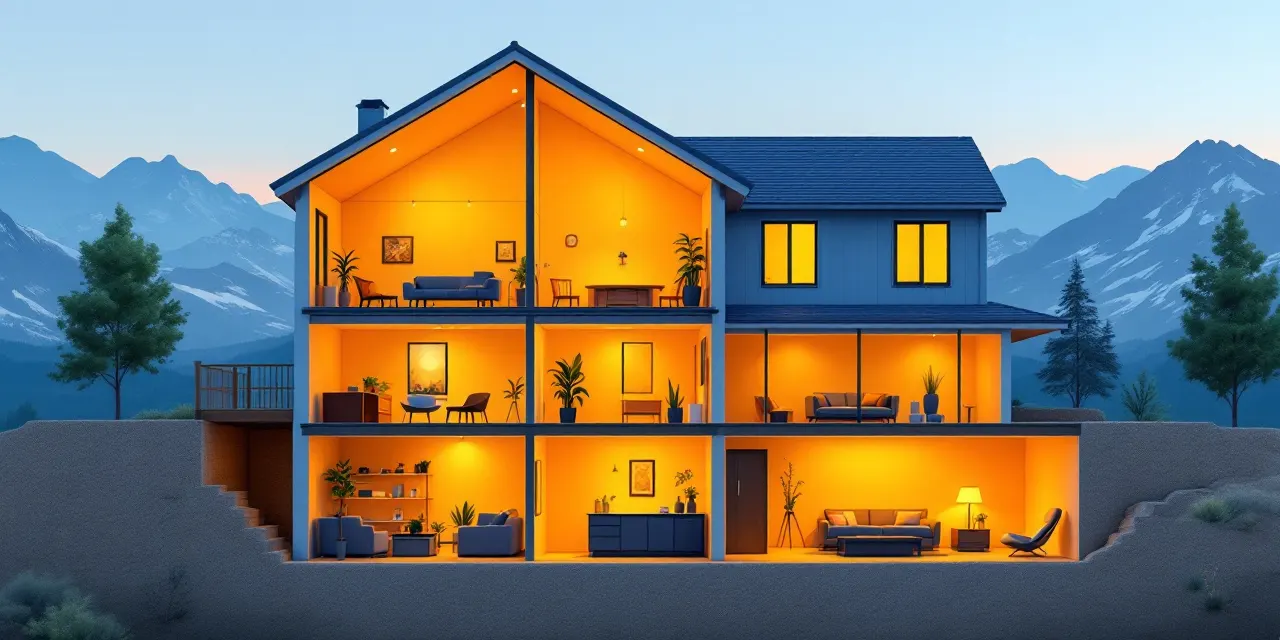
Salt Lake City's rental market stays competitive, and a lot of homeowners are sitting on untapped square footage right beneath their feet. Finishing your basement into a legal, livable apartment is one of the most practical ways to offset your mortgage, build long-term equity, and add genuine value to your home all at once. We're Salt Lake Basement Pros, and we work with one licensed Salt Lake City partner crew to help homeowners turn rough, unfinished lower levels into income-producing spaces built to code. This page breaks down what basement apartment rental income actually looks like in Salt Lake City, what the finishing process involves, and what you should think through before you commit. If you're ready to talk numbers, we'll connect you with our local crew for a free, no-obligation quote on your specific space.
Why Salt Lake City Is a Strong Market for Basement Rentals
Salt Lake City and the surrounding Wasatch Front have seen steady population growth over the past decade, and rental demand has followed. Neighborhoods like Sugar House, Rose Park, Millcreek, and the avenues neighborhoods attract renters ranging from university students to young professionals who want walkable access to the city without paying top-tier apartment complex rates.
A finished basement apartment gives you a private unit that sits outside the traditional apartment market. Because you own the building and manage the unit yourself, your overhead is lower than a landlord running a separate investment property. The rental income you collect goes toward a mortgage on a home you already own, which changes the math considerably compared to buying a second property.
Salt Lake City's housing stock includes a large share of older bungalows and mid-century ranch homes with full unfinished basements, many of them seven or eight feet tall with good ceiling clearance. That structural head start makes a lot of these spaces genuinely viable for conversion, even before a single permit is pulled.
What Makes a Basement a Legal Rental Unit in Salt Lake City
Salt Lake City has specific requirements for accessory dwelling units (ADUs), and a basement apartment needs to meet them before you can legally collect rent. The big-ticket items include egress windows in any sleeping areas, a separate entrance, minimum ceiling height, smoke and carbon monoxide detectors, proper bathroom venting, and an electrical panel that can carry the added load. You'll also need to verify zoning for your specific address, because not every residential zone in the city permits a basement ADU.
Permitting is not optional, and skipping it creates real liability. An unpermitted rental unit can expose you to fines, force you to bring the space up to code retroactively, and create problems if you ever sell the home. Our licensed Salt Lake City partner crew pulls permits and builds to current International Residential Code and local SLC amendments, so the finished product passes inspection the first time.
Egress windows are one of the most commonly underestimated line items in basement finishing. If your basement bedrooms don't have windows large enough for emergency escape, they cannot be classified as sleeping rooms under code. Our local crew addresses this early in the planning process, often before framing begins, so there are no surprises mid-project.
What the Finishing Process Actually Looks Like
A basement apartment build-out typically moves through a predictable sequence: framing the walls and partition layout, rough-in plumbing for the bathroom and kitchenette, electrical rough-in, insulation, drywall, finish carpentry, flooring, and final fixtures. The timeline varies based on square footage, how much plumbing work is required, and how quickly the city schedules inspections.
Our local crew handles each phase in order, coordinating inspections at the right milestones so the project doesn't stall waiting on a permit sign-off. That kind of sequencing experience matters more than most homeowners realize. A crew that's done dozens of Salt Lake City basement finishes knows how the local inspection process runs, what inspectors look for, and how to document the work correctly.
For a rental unit specifically, the layout decisions you make during the planning phase have a direct effect on what you can charge. A well-designed one-bedroom with a full bath and a proper kitchenette will rent for more than a studio with a wet bar. Spending time on the floor plan before framing starts pays off in monthly income for years afterward.
Estimating Rental Income Against Finishing Costs
Every basement is different, and we won't quote you a price on this page because square footage, existing conditions, plumbing location, and finish level all affect the number significantly. What we can say is that the right way to evaluate a basement apartment project is as an investment with a payback period, not just a home improvement.
To run a rough version of this math yourself, start with a realistic rental rate for a one-bedroom basement unit in your specific SLC neighborhood. Then get a firm quote on the finishing cost. Divide the finishing cost by the monthly rent, and you have a rough payback period in months before the unit is generating net income beyond the investment. For many homeowners in Salt Lake City, that number lands somewhere between three and eight years, depending on the neighborhood and the scope of work.
After that payback window, the rental income is going toward your mortgage or into savings. And the finished square footage adds appraised value to the home regardless of whether you keep a tenant in it. That double benefit, current income plus long-term equity, is what makes basement apartment conversions one of the more financially durable home improvements available to Salt Lake City homeowners.
Getting Started with Salt Lake Basement Pros
The first step is understanding what your specific basement can realistically become. That starts with a conversation about your layout, your goals, and any constraints your property might have, including ceiling height, existing mechanicals, and your neighborhood's zoning status.
Our licensed Salt Lake City partner crew visits your home, measures the space, and talks through what a code-compliant rental unit would look like in your specific basement. From that visit, they put together a detailed quote that reflects your actual project, not a range pulled from a national average calculator.
There's no cost to that initial quote and no obligation to move forward. If you decide to proceed, you're working with one experienced local crew from the first measurement to the final walkthrough, with permits pulled and inspections handled as part of the process. Request your free quote through Salt Lake Basement Pros and we'll get the conversation started.
FAQ
Is a basement apartment legal to rent in Salt Lake City?
It can be, but it depends on your specific zoning district and whether the finished space meets SLC's ADU and building code requirements. Key requirements include egress windows in bedrooms, a separate entrance, minimum ceiling height, and permitted electrical and plumbing work. Our licensed Salt Lake City partner crew will walk you through the zoning and permitting picture for your address before any work begins.
Do I need a separate entrance for a basement rental unit?
Yes, a separate exterior entrance is a standard requirement for a basement ADU in Salt Lake City. Sharing the main entrance with the primary unit is generally not permitted for a legal rental. Our local crew factors entrance design into the planning phase, whether that means modifying an existing window well or adding a new exterior stairwell.
How long does it take to finish a basement apartment?
Timelines vary based on the size of the space, the scope of plumbing work, and the city's inspection scheduling. A straightforward one-bedroom unit in a basement with good existing conditions can move faster than a larger build-out that requires significant plumbing relocation. Our local crew gives you a realistic timeline estimate as part of your free quote, based on what they see during the walkthrough.
Will finishing my basement for a rental increase my property taxes?
Adding finished, permitted square footage to your home typically increases its assessed value, which can affect your property tax bill. The increase is usually modest relative to the rental income and the equity gain, but it's worth factoring into your investment math. Salt Lake County reassesses property values periodically, so changes may not show up immediately.
How do I get a quote for finishing my basement as a rental apartment?
Use the quote request form on this site. We'll connect you with our licensed Salt Lake City partner crew, who will schedule a visit to your home, assess the space, and provide a detailed, no-obligation quote specific to your project. There's no pressure and no cost to the estimate.