Basement Subfloor & Underlayment in Salt Lake City
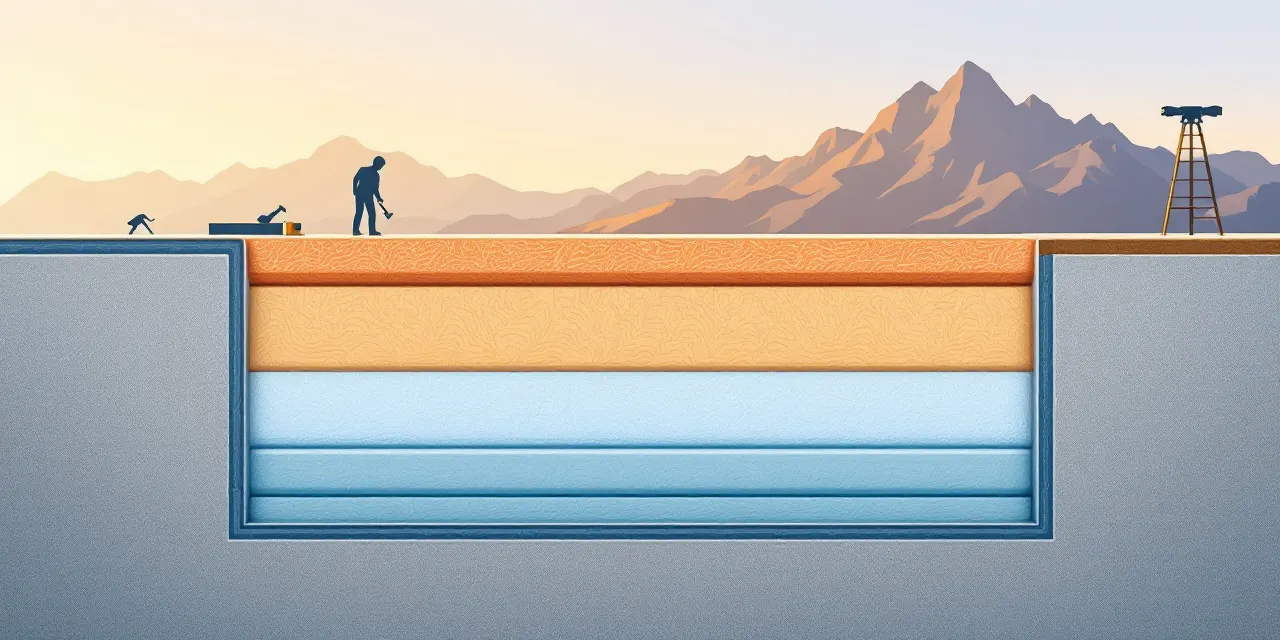
A basement floor that feels cold, bouncy, or damp is usually a subfloor problem, not a finish-flooring problem. Getting the foundation layer right matters even more in Salt Lake City, where temperature swings between summer highs and cold winters put real stress on concrete slabs and the materials sitting on top of them. At Salt Lake Basement Pros, our licensed Salt Lake City partner crew has worked through the full range of subfloor systems, from simple dimple-mat setups to fully framed and insulated sleeper assemblies, and we know which approaches hold up in this climate. Before you commit to any flooring material, a proper subfloor evaluation will tell you what moisture levels your slab is actually dealing with, whether a thermal break is worth the investment, and how much finished height you can afford to gain. Our local crew walks through every one of those questions with you during the free quote visit, so you're not guessing later.
Why Subfloor Choice Is Critical in Salt Lake City Basements
Salt Lake City sits at roughly 4,300 feet elevation. That altitude means lower humidity in the air than many parts of the country, but basement slabs here still accumulate moisture vapor that rises up from the soil below, especially in older homes in the Avenues, Sugar House, and Murray. Lay flooring directly on a damp slab and you're inviting mold, buckled hardwood, or delaminating LVP within a few years.
The other local factor is temperature. An uninsulated concrete slab can sit well below comfortable room temperature even when your furnace is running hard. That cold radiates up through the floor and makes the whole finished space feel chilly. A good subfloor system interrupts that thermal transfer before you ever install the finish layer.
Our licensed Salt Lake City partner crew tests slab moisture before recommending anything. That single step saves homeowners from choosing a system that looks good on paper but fails for their specific slab conditions.
Basement Subfloor Options We Install
Dimple mat plus plywood is one of the most reliable systems for slabs with moderate moisture. The dimple mat creates a small air gap that lets vapor escape rather than building up under the wood. A layer of 3/4-inch plywood on top gives you a solid nailing surface for hardwood or a stable base for LVP and tile. It adds minimal height, usually around an inch total, which matters in basements where headroom is already limited.
Sleeper systems involve pressure-treated lumber laid flat on the slab, with rigid foam insulation filling the bays between sleepers and plywood on top. This approach costs more and takes more height, but it delivers meaningfully warmer floors and works well when you want to nail down solid hardwood. For basement finishing projects in Salt Lake City neighborhoods with older, colder slabs, the comfort difference is real.
Dricore and similar proprietary subfloor panels are a middle-ground option. They combine a plastic drainage layer with an OSB top surface in one interlocking panel. Installation is fast, they require no fasteners into the slab, and they handle light to moderate moisture well. Our local crew uses them regularly in projects where the homeowner wants a quicker timeline without sacrificing durability.
For finished basements getting tile, a crack-isolation membrane over the slab is often all that's needed before setting tile directly. Our licensed partner crew will tell you honestly when a simpler solution fits your situation rather than upselling a system you don't need.
Underlayment: What Goes Between Subfloor and Finish Flooring
Underlayment is a thinner layer, usually foam, cork, or rubber, that sits directly under your finish flooring. It cushions foot traffic, absorbs sound transmission into the level below, and provides a small additional moisture barrier. In a basement setting, it's not a substitute for proper subfloor moisture management, but it does add comfort and acoustic value.
For LVP and laminate, a 2mm to 3mm foam underlayment is standard. Many LVP products come with it pre-attached. For tile, no underlayment is used because tile needs a rigid base. For carpet, the padding itself functions as underlayment. Our local crew will match underlayment choices to your specific flooring selection during the planning phase of your project.
Sound control is worth mentioning separately. Basements that get converted to home theaters, bedrooms, or rental units benefit from heavier acoustic underlayment, like cork or rubber-composite products, that reduce impact noise traveling upward. If that's a priority for your space, let our licensed Salt Lake City partner crew know early so it factors into the floor assembly design.
Basement Spray Foam Insulation and Subfloor Thermal Performance
Spray foam comes up frequently when homeowners are researching basement subfloor options in Salt Lake City because it solves two problems at once: it air-seals the slab perimeter and rim joists while adding R-value. Closed-cell spray foam applied to the underside of the floor joists or along the foundation walls is one of the most effective ways to bring a cold basement closer to the thermal comfort of the floors above.
The cost of basement spray foam insulation in Salt Lake City varies depending on the square footage, the thickness of application, and whether you're doing rim joists only or full wall coverage. Rather than quoting numbers that may not apply to your home, our licensed Salt Lake City partner crew will give you a precise figure during the free site visit after measuring your actual space and discussing your energy goals.
Spray foam and a good subfloor system often work together. A sleeper assembly with rigid foam insulation handles the floor surface, while spray foam on the walls and rim joists handles the perimeter. The combination addresses both moisture vapor and cold-air infiltration, which is where most of the heat loss happens in Salt Lake City basements. Our local crew can walk you through what that combined approach would look like for your specific layout.
Working With Salt Lake Basement Pros on Your Subfloor Project
Every subfloor project we take on starts with an honest assessment of the slab. Our licensed Salt Lake City partner crew checks for levelness, tests for moisture vapor, and looks for any visible cracks or settlement that should be addressed before anything goes on top of the concrete. Skipping that step is how projects go wrong six months after completion.
Once we understand what the slab is actually doing, we'll walk through which subfloor systems make sense for your goals, your budget, and the finish flooring you have in mind. If one option clearly fits better than another for your situation, we'll say so directly rather than presenting an overwhelming list of choices without guidance.
The free quote visit is where all of that happens. No pressure, no obligation, just a thorough look at your basement and a clear written estimate so you know exactly what the project involves. Reach out to Salt Lake Basement Pros and we'll schedule our local crew for a visit that works with your schedule.
FAQ
What is the best subfloor option for a basement in Salt Lake City?
It depends on your slab's moisture levels and how much finished height you can give up. Dimple mat plus plywood works well for most slabs with moderate moisture. Sleeper systems with rigid foam insulation are better for very cold slabs where floor warmth is a priority. Our licensed Salt Lake City partner crew tests your slab before making a recommendation, so you're not guessing.
How much height does a basement subfloor add?
A dimple mat and plywood assembly typically adds about 1 inch of height. A sleeper system with insulation can add 2 to 3 inches depending on lumber size. Dricore-style panels run about 7/8 of an inch. If headroom is tight in your basement, that's one of the first things our local crew will factor into the design.
Do I need spray foam insulation if I'm installing a subfloor?
Not necessarily, but the two often work well together. A subfloor system insulates from below the floor surface, while spray foam on the rim joists and foundation walls reduces cold-air infiltration around the perimeter. For basements that feel consistently cold in winter, combining both approaches usually produces a noticeably warmer result. Our licensed partner crew can tell you whether your specific space would benefit from both.
Can I install flooring directly on a concrete basement slab?
Some flooring types, like tile or certain luxury vinyl products, can go directly over concrete if the slab is flat, dry, and in good condition. But for hardwood, laminate, or carpet, a proper subfloor system is strongly recommended. Skipping it in a Salt Lake City basement often leads to moisture damage, cold floors, or flooring failure within a few years.
How do I get a quote for basement subfloor installation in Salt Lake City?
Contact Salt Lake Basement Pros and we'll schedule our licensed Salt Lake City partner crew for a free, no-obligation visit. They'll assess your slab, discuss your goals, and give you a clear written estimate covering materials and labor for the subfloor system that fits your project.