Basement Stairs Remodel in Salt Lake City, Utah
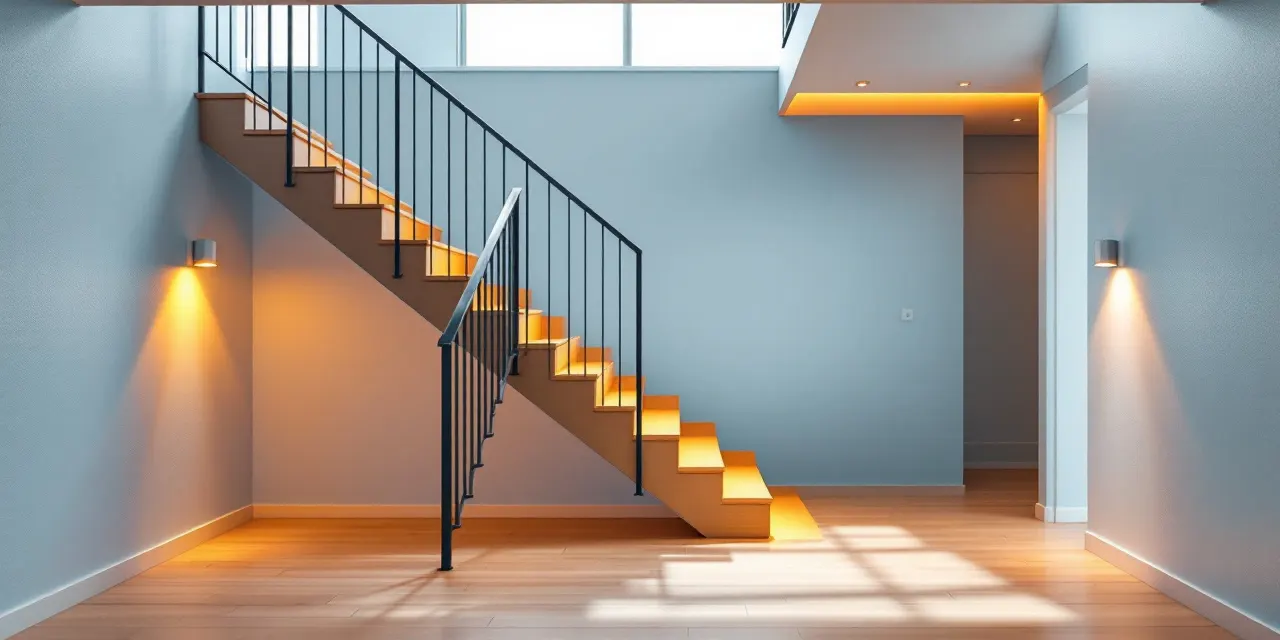
If your basement stairs are steep, cramped, creaky, or just plain ugly, they set the wrong tone for everything below them. At Salt Lake Basement Pros, we send our licensed Salt Lake City partner crew out to assess your existing staircase and build something that is safer, more comfortable, and actually worth looking at. Whether you are finishing a raw basement or refreshing a space you have already been using, a properly remodeled staircase makes a real difference in how the whole level feels. We know Salt Lake City homes well, from the older Avenues bungalows with tight original staircases to the larger Draper and South Jordan builds where a grander open-riser design fits right in. Our local crew handles the structural work, finish carpentry, railings, and code compliance so you get one accountable team from the first measurement to the final coat of paint. Request a free no-obligation quote and we will get someone out to take a look.
Why Basement Stairs Are Worth Remodeling Properly
Basement stairs are not just a functional afterthought. They are the first thing anyone sees when they open that door, and they carry real safety implications too. Utah building code sets specific requirements for riser height, tread depth, handrail height, and headroom clearance, and a lot of older Salt Lake City homes have staircases that were never built to those standards in the first place.
Beyond code, comfort matters. Stairs that are too steep make moving furniture difficult and put unnecessary strain on your knees going up and down every day. Our licensed Salt Lake City partner crew evaluates your current configuration and talks through what is actually achievable given your floor plan, so you go into the project with realistic expectations and a clear plan.
A well-executed stair remodel also adds value. When buyers walk into a finished basement with a proper open-tread staircase, solid oak handrails, and clean baluster spacing, they read the whole space differently. It signals that the finishing was done right, not cut-corner.
What Our Basement Stair Remodel Work Includes
Our local crew handles the full scope of a basement stair remodel, not just the cosmetic layer on top. That starts with a structural assessment of your existing stringers. If they are undersized, damaged, or positioned in a way that creates a code problem, we address that before any finish work begins. Skipping that step is how stair remodels go wrong.
From there, the work typically covers tread replacement or installation (solid hardwood, LVP, or carpet depending on your preference), riser boards, newel posts, balusters, and handrails. If your layout allows for it, our crew can also open up a closed-riser staircase to give you that modern open-tread look that works so well in contemporary finished basements.
We also handle the transition details: how the staircase meets the basement floor, how the top landing integrates with your main floor, and any drywall or trim work around the stairwell opening. Those finishing touches are what separate a staircase that looks built-in from one that looks like an afterthought.
Style Options for Salt Lake City Homes
Salt Lake City has a genuinely diverse housing stock, and stair styles should match the home. For craftsman and traditional homes, thick oak treads with painted risers, square balusters, and a chunky newel post tend to look right. For modern or transitional finishes, our crew does a lot of open-riser work with cable railing or simple metal balusters and a clean floating-stringer aesthetic.
LVP treads have become popular for basement stairs specifically because they hold up well to the traffic a finished basement generates and they match the flooring people are already putting in their lower-level living spaces. We can source materials that coordinate with whatever flooring your basement already has or is getting installed.
If you are not sure which direction to go, that is exactly what the free quote visit is for. Our local crew will walk through options with you on site, show you what works structurally, and let you make an informed choice rather than a guessed one.
Code Compliance and Permits in Salt Lake City
Salt Lake City and the surrounding municipalities (West Valley, Murray, Draper, Sandy, South Jordan) each have their own permitting processes, though they generally follow Utah's residential building code. A stair remodel that changes structural elements or the stair geometry typically requires a permit, and our licensed Salt Lake City partner crew handles that process so you are not navigating city building departments on your own.
Working without a permit on structural stair work is a real liability, especially if you ever sell the home. Unpermitted work in a finished basement is one of the most common inspection flags buyers raise, and it can genuinely complicate a sale or renegotiate your selling price downward. Doing it right the first time protects your investment.
Our crew knows the local inspection process and builds to pass it, which means no surprise callbacks or costly corrections after the fact.
How to Get Your Free Basement Stairs Quote
Getting started is straightforward. Fill out the quote request form on this page and our licensed Salt Lake City partner crew will follow up to schedule a time to come out and look at your staircase in person. There is no obligation to proceed and no fee for the visit.
During the visit, the crew will assess your existing stairs, talk through your goals, confirm what is code-compliant in your specific municipality, and put together a written scope and price for the work. You will know exactly what you are getting before any agreement is signed.
We serve the greater Salt Lake City area including the East Bench, Sugar House, Millcreek, Holladay, Cottonwood Heights, Sandy, Draper, South Jordan, West Jordan, and West Valley City. If you are nearby and not sure we cover your area, just ask when you reach out.
FAQ
How long does a basement stair remodel typically take?
Most stair remodels our local crew completes run between one and three days of on-site work, depending on scope. A cosmetic refresh with new treads and railings is faster than a full structural reconfiguration. Our crew will give you a realistic timeline during the quote visit once they have seen what you are working with.
Do I need a permit to remodel my basement stairs in Salt Lake City?
It depends on what the remodel involves. Cosmetic changes like resurfacing treads may not require a permit, but any work that changes the structural configuration of the staircase or the stair geometry generally does. Our licensed Salt Lake City partner crew will tell you exactly what applies to your project and handle the permitting when it is required.
Can my existing staircase be opened up to an open-tread design?
Often yes, but it depends on your stringer size and configuration. Our crew assesses this during the quote visit. If the existing stringers can support it, an open-riser conversion is very achievable. If they cannot, we will explain what it would take structurally to make it work.
What materials do you typically use for basement stair treads?
We work with solid hardwood (oak is most common), LVP treads, and carpet depending on what fits the project and the homeowner's preference. LVP is particularly popular for basement stairs because it is durable, moisture-tolerant, and easy to match to existing basement flooring.
Is the quote really free with no obligation?
Yes. Our local crew comes out, looks at your stairs, and gives you a written quote. There is no cost for that visit and no pressure to move forward. If you decide to proceed, great. If not, you still have a clear picture of what the project involves and what it would cost.