Basement Flooring Options in Salt Lake City That Actually Hold Up
Choosing the right basement flooring in Salt Lake City is not as simple as picking what looks good in a showroom. Utah basements deal with temperature swings, occasional moisture intrusion, and concrete subfloors that can be uneven after years of settling. Pick the wrong material and you end up with buckling planks or mold hiding underneath within a season or two. Our licensed Salt Lake City partner crew works with these conditions every day, and we know exactly which flooring systems perform here long term. Whether you're finishing a family room, building out a home gym, or adding a guest suite below grade, we'll walk you through every option before a single quote is written. That quote, by the way, costs you nothing and carries zero obligation.
The Most Popular Basement Flooring Options in Salt Lake City
Luxury vinyl plank (LVP) is hands down the most requested flooring our local crew installs in Salt Lake City basements right now. It's waterproof at the core, floats over concrete without glue or nails, and comes in styles that are genuinely hard to distinguish from real wood once the room is furnished. For finished basements that double as living space, it checks almost every box. Engineered hardwood is another option homeowners ask about, and it can work in a dry, well-conditioned basement. However, below-grade environments in the Salt Lake Valley can push moisture levels high enough to cause cupping over time, so our crew always does a moisture test before recommending it. Epoxy coatings are a strong choice for utility areas, workshops, or anywhere durability matters more than warmth underfoot. They bond directly to concrete, resist spills and impacts, and are straightforward to clean. For finished living spaces, many clients combine epoxy in a utility zone with LVP in the main area. Carpet is still a reasonable pick for bedrooms or media rooms where comfort is the priority, as long as the slab is dry and a proper moisture barrier goes down first. Our crew does not skip that step.
Basement Home Gym Flooring in Salt Lake City
Home gyms are one of the most common basement finishing projects we see in Salt Lake City, and the flooring requirements are completely different from a living room or bedroom. You need something that absorbs impact, protects the concrete slab from dropped weights, and holds up under rubber-soled shoes day after day. Interlocking rubber tiles are the go-to solution for most gym builds. They come in varying thicknesses, so our local crew can match the tile to the equipment you're using. Heavier free weights and power racks call for thicker tiles, typically in the range of three-quarters of an inch or more, while cardio zones can often use a thinner profile. Roll rubber flooring is another option for larger open gym spaces, and it creates a seamless look with fewer joints to catch dirt. Some clients want a mix: rubber in the lifting area, LVP in a stretching or yoga zone, and maybe even a small turf strip for functional training. Our crew can plan and install all of that in one project so the transitions are clean and intentional. The one thing we always account for is ceiling height. Salt Lake City basements often have lower ceilings, and adding thick rubber flooring can eat into that clearance, which matters if you're mounting a pull-up bar or using a squat rack.
Radiant Floor Heating for Basements in Salt Lake City
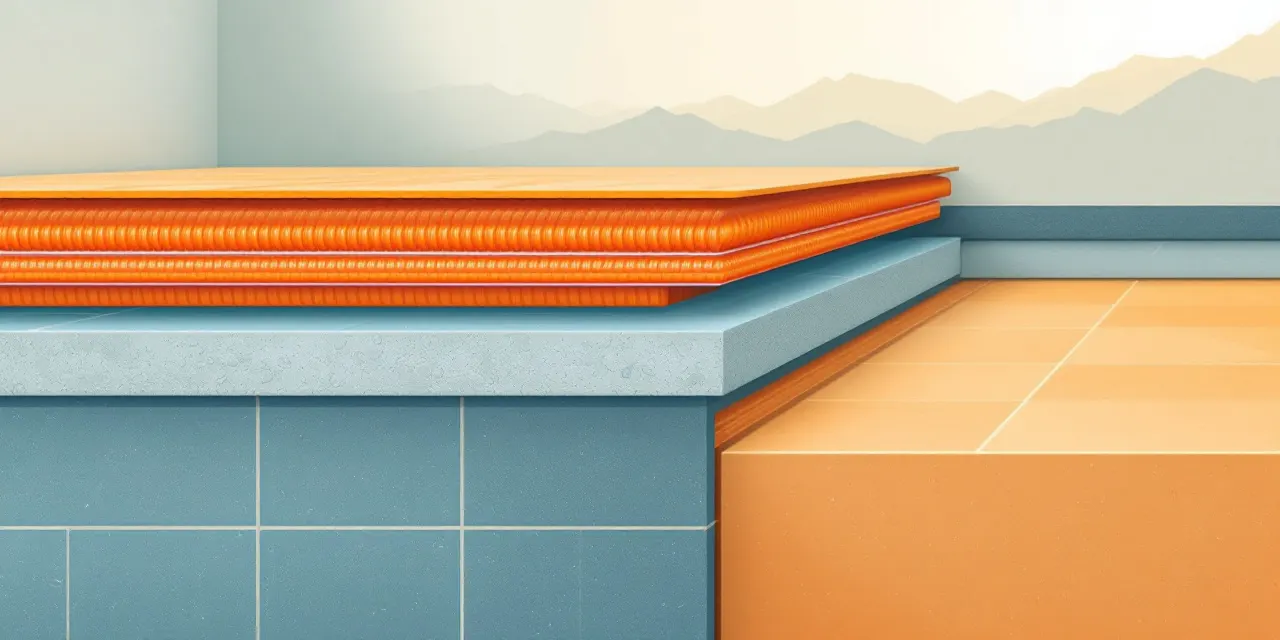
Concrete floors stay cold in Utah winters, and no amount of area rugs fully fixes that. Radiant floor heating solves the problem at the source by warming the slab itself, which then radiates heat upward into the room evenly. Our licensed Salt Lake City partner crew installs both electric mat systems and hydronic systems, and the right choice depends on the size of your basement, your existing HVAC setup, and your long-term energy goals. Electric radiant mats are simpler to install under tile or LVP in smaller spaces. They're controlled by a thermostat, and many homeowners use them only in the zones where they spend the most time, like a home office or a bathroom floor. Hydronic systems circulate heated water through tubing beneath the floor and are generally more efficient over larger square footages, though they require a connection to a boiler or water heater and involve more upfront labor. The most important thing to get right is the flooring material on top of the radiant system. Not every product is rated for use over heated subfloors. LVP, tile, and certain engineered floors can work well, but the manufacturer specs matter, and our crew checks them before any material is ordered. If radiant heat is something you're considering, mention it when you request your free quote so we can factor it into the full plan from the start.
Subfloor Prep: The Step Most Salt Lake City Homeowners Underestimate
A beautiful floor installed over a bad subfloor will fail. It's that straightforward. Salt Lake City basements sit on concrete slabs that may have minor cracks, low spots, or moisture coming up from the soil below, especially in older neighborhoods near the Jordan River or at the base of the Wasatch foothills where the water table can be unpredictable. Our local crew always starts with a thorough assessment of the slab before any flooring conversation happens. We check for levelness, test for moisture vapor emission, and look for any active cracks that need addressing. If the slab has low spots, we use a self-leveling compound to bring everything flush. If moisture is present, we specify the right vapor barrier or membrane for the flooring system going on top. Some flooring products, like LVP from reputable manufacturers, have built-in moisture resistance but still need a clean, flat surface to perform correctly. Skipping or rushing subfloor prep is the single biggest reason we see early flooring failures in DIY or budget installs. Our crew does not cut corners here because our reputation in this market depends on jobs that hold up years after we leave.
How to Get a Free Basement Flooring Quote in Salt Lake City
Getting a quote from Salt Lake Basement Pros is straightforward. You reach out, we gather some basic information about your basement, and our licensed Salt Lake City partner crew sets up a time to see the space in person. There is no cost for the quote and no pressure to move forward. The in-person visit matters because basement flooring is not something that can be accurately priced from a phone description alone. Square footage is just the starting point. Subfloor condition, stair transitions, existing moisture mitigation, and the specific materials you want all factor into a real number. We put everything in writing so you know exactly what the project covers before any work begins. Our crew handles the full scope: subfloor prep, moisture barrier if needed, flooring installation, trim, and transitions. You deal with one local team from the first visit through the final walkthrough. If you're early in the planning process and just want to think through your options, that's fine too. The conversation is free and there is no timeline you have to commit to.
FAQ
What is the best basement flooring option for a Salt Lake City home?
It depends on how you plan to use the space. For finished living areas, luxury vinyl plank is the most practical choice because it handles moisture and temperature changes well. For home gyms, rubber flooring is the right call. For utility or workshop areas, epoxy is hard to beat. Our local crew will assess your specific basement and recommend the best fit based on actual conditions, not just what looks good in a catalog.
Can I install hardwood flooring in a Salt Lake City basement?
Solid hardwood is not recommended below grade. Engineered hardwood can work in a well-conditioned basement with low moisture levels, but it requires a moisture test first. Our crew tests every slab before making a recommendation because Utah basements vary a lot depending on the neighborhood, the age of the home, and the drainage around the foundation.
How does radiant floor heating work under basement flooring?
Radiant systems either use electric heating mats or tubing that circulates warm water through the slab or subfloor. The heat radiates upward, warming the room from the ground up. Not all flooring materials are compatible with radiant systems, so the flooring choice and the heating system need to be planned together. Our licensed Salt Lake City partner crew handles both and will make sure the two systems are specified to work together correctly.
How much does basement flooring cost in Salt Lake City?
Pricing depends on square footage, material choice, subfloor condition, and whether any moisture mitigation or leveling work is needed. We don't publish flat rates because basements vary too much for a number posted online to mean anything reliable. The most useful thing you can do is request a free quote so our local crew can give you a real figure based on your actual space.
How long does a basement flooring installation take?
Most standard basement flooring installs take one to three days depending on the size of the space and the materials being used. If significant subfloor prep is needed, such as crack repair or a self-leveling compound that needs cure time, the timeline extends. Our crew gives you a project schedule in writing as part of the quote so you know what to expect before work starts.